







Kyiv is one of the oldest cities in Europe, with a history spanning over 1,500 years and probably dating back to the 5th century. According to legend, its founders were the brothers Kyi, Shchek, Khoryv and their sister Lybid, figures who became symbols of the city and its cultural heritage.
Since the 9th century, Kyiv has emerged as the heart of Kyivan Rus, a powerful medieval state that encompassed vast territories of Eastern Europe. At this time, the city became an important political, commercial and cultural center.
In the 13th century, Kyiv suffered a devastating blow from the Mongol invasion, which was a turning point in its history. Despite this, the city retained its significance and experienced new stages of development under the rule of the Grand Duchy of Lithuania, the Polish-Lithuanian Commonwealth and the Russian Empire. At the end of the 19th and beginning of the 20th centuries, Kyiv was reborn as an industrial and cultural center, becoming the center of the Ukrainian national movement, education and science.
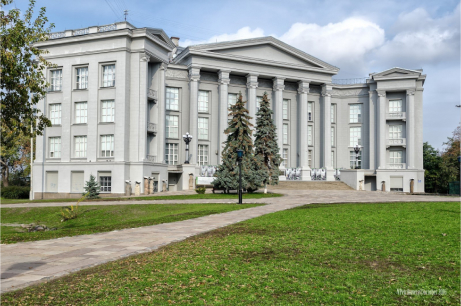
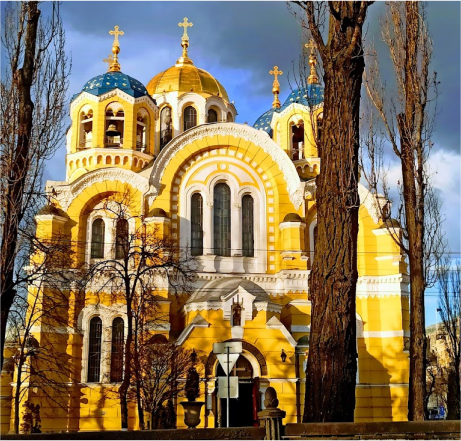
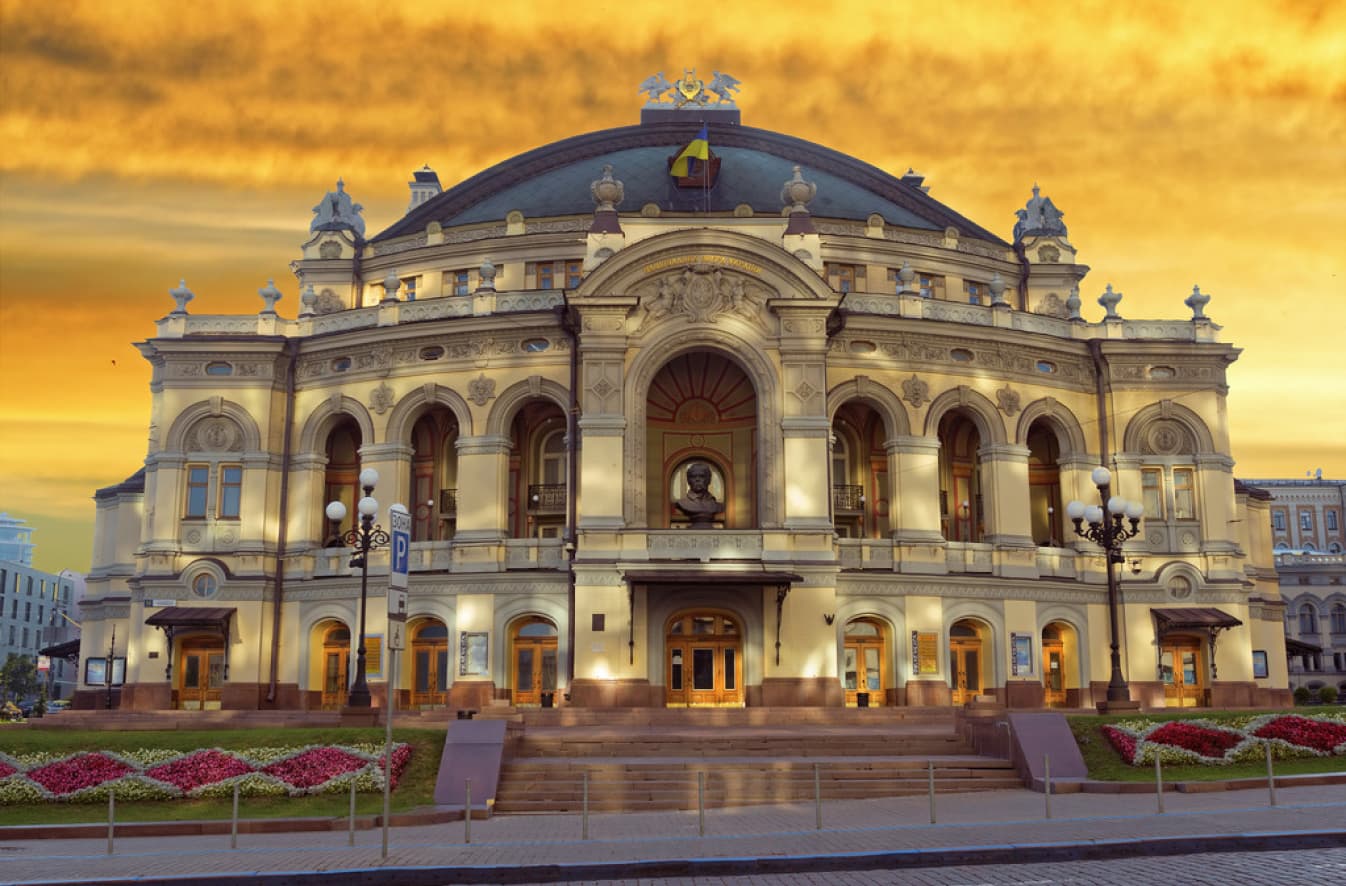
With the declaration of independence of Ukraine in 1991, Kyiv established itself as the capital of a sovereign state. Today, it is not only an administrative center, but also the cultural heart of the country, striking with its wealth of history, architecture and modern dynamism. Majestic cathedrals, ancient streets and numerous parks harmoniously combine with modern infrastructure, turning Kyiv into a tourist magnet and a symbol of Ukrainian independence.
 Share on Facebook
 Share on X